
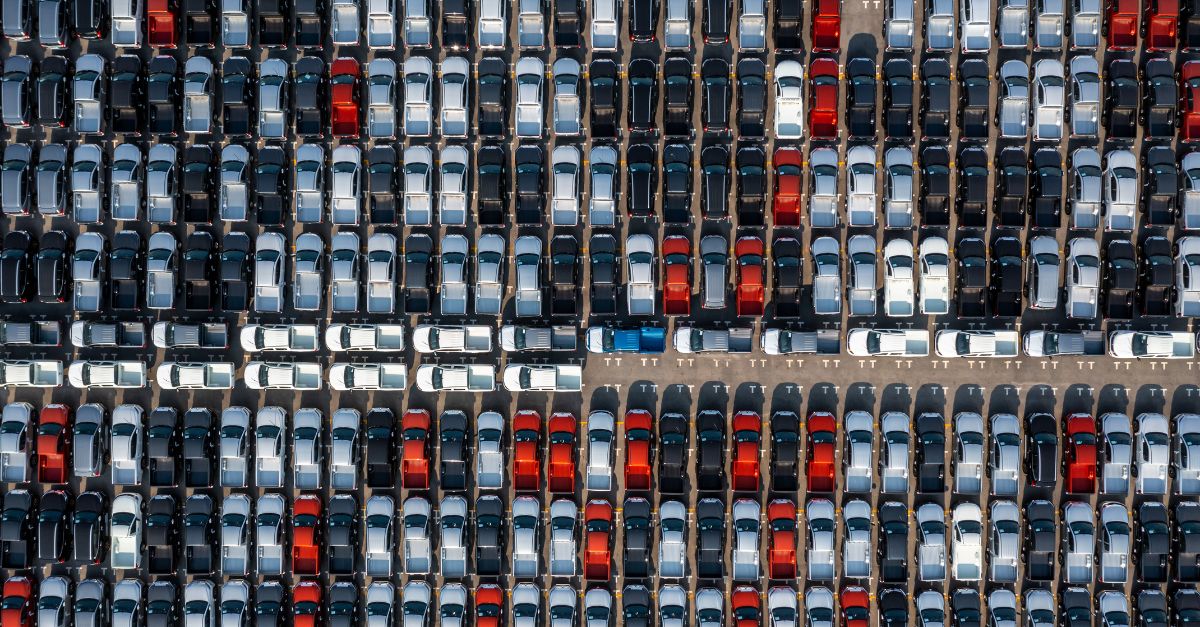
Phoenix is one of the most competitive used vehicle markets in the Southwest. Strong population growth, high dealer density, and a year-round auction calendar make the Valley of the Sun a serious sourcing hub for dealers looking to stock their lots efficiently. Whether you’re running a franchise store, an independent lot, or sourcing wholesale inventory across multiple rooftops, knowing which Phoenix auctions fit your buying strategy, and having a reliable plan to move vehicles once you’ve won, is what separates profitable auction buying from costly mistakes.
This guide covers the major auto auctions in Phoenix, AZ, what dealers need to know before bidding, and the smartest approach to vehicle logistics once the gavel drops.
How Dealers Find Car Auctions in the Phoenix Area
Most experienced dealers already have their go-to lanes. But Phoenix has a broader auction ecosystem than many realize, and sourcing across multiple platforms provides deeper inventory and greater pricing leverage.
The Phoenix market breaks down into four categories relevant to dealers:
- Salvage and insurance auctions (Copart, IAA): High-volume salvage and clean-title inventory. Accessible to dealers and, in Arizona, to public buyers as well
- Public auctions (Sierra Auction, Auction Nation): Open registration, useful for fleet and municipal surplus vehicles
- Dealer-only auctions: Restricted to licensed dealers with AuctionACCESS credentials. Typically the highest-volume wholesale lanes
- Government surplus auctions: Fleet vehicles from city, county, and state agencies. Often well-maintained with documented service history
Each channel comes with different fee structures, title timelines, and pickup procedures. Dealers buying at volume need to know all of them.
The 6 Best Phoenix Auto Auctions
Copart – Phoenix (Location 47)
📍 615 51st Ave Bldg 1, Phoenix, AZ 85043
Copart Phoenix is a go-to source for high-volume salvage and clean-title inventory, running 100% online auctions multiple days per week. Buy It Now and Make Offer options are available on select lots, which is useful for filling specific inventory gaps without waiting on a scheduled sale.
Sale days: Multiple days/week, starting at 12:00 PM MST
Inventory type: Salvage, repairable, clean-title
Storage fee starts: Day 4 (including day of sale)
Transporter authorization: Gate PIN via Copart Transportation App and a lot number
Payment methods: Wire, debit/credit, digital wallets, MoneyGram (no cashier’s checks since May 2025)
Access: Open to public and licensed dealers. In Arizona, both clean and salvage title vehicles can be purchased without a dealer license
Learn more about Copart Phoenix auction →
IAA – Phoenix (AZ)
📍2299 W Broadway Rd, Phoenix, AZ 85041, United States
IAA Phoenix is one of the highest-volume salvage auction locations in the Southwest. All bidding runs through the AuctionNow platform. There are no in-branch kiosks, so your buyers can bid remotely from anywhere.
Sale day: Weekly digital auction, Tuesdays at 9:30 AM MST
Yard hours: Mon–Fri, 8:00 AM–4:30 PM
Vehicle removal deadline: 5 business days after purchase
Payment deadline: Day of award + 2 days (domestic)
Late payment fee: $50 or 2% of purchase price (whichever is greater)
Transporter requirements: Pickup PIN, High-visibility vest required on property; no loads over 11,000 lbs
Payment restrictions: No Amex; cash capped at $500/day per branch
Access: Open to licensed dealers and public buyers registered through IAA. An AuctionACCESS credential is recommended for dealers bidding at volume
Learn more about the IAA Phoenix auction →
Sierra Auction – Phoenix
📍 4298 N 35th Dr, Phoenix, AZ 85019
Sierra runs a consistent weekly schedule and is a strong Phoenix source for government and municipal fleet inventory. These units often come with maintenance records and more consistent service history, though usage can still be demanding depending on the fleet.
Sale day: 1st and 3rd Saturdays of the month, starting 8:00 AM
Preview: Fridays, 8:00 AM–4:00 PM
Load-out window: Mon–Wed, 8:00 AM–3:00 PM
Storage fee starts: 3:00 PM on payment due date — no grace period
Payment: Online portal or bank deposit only (not accepted at facility)
Transporter authorization: Email signed Bidder Agreement + valid ID to cashiers@sierraauction.com in advance
Access: Open to the public. Registration is online. City of Phoenix and City of Tempe employees may not bid on their respective city assets
Learn more about the Sierra Auction →
Auction Nation – Phoenix Area
📍 2710 W Bell Rd #1240, Phoenix, AZ 85053
Auction Nation runs timed online auctions across multiple Phoenix-area locations on a rolling monthly calendar. There’s no fixed weekly schedule. Each sale posts its own dates, times, and terms. Lots close with staggered end times: A last-minute bid triggers a 3-minute extension, so competitive lots can run long.
Schedule: Rolling monthly calendar, no fixed weekly sale day
Lot closing: Staggered, 3-minute extension on late bids
Auto-charge: Invoices under $1,000 charged to the card on file automatically
Transporter authorization: Phone only — no app, PIN, or gate-pass system
Access: Open to the public. Online registration required. No dealer license is needed to participate
Learn more about the Auction Nation →
Tri Star Auto Auctions – Phoenix
📍 6520 W Buckeye Rd, Phoenix, AZ 85043
Tri Star operates online and silent auctions through Western Towing of Phoenix. Live in-person auctions are currently on hold. Inventory skews toward dealer consignments, off-lease vehicles, and fleet returns, making it a reasonable sourcing channel for dealers looking for cleaner used units.
Platform: Western Towing bidding portal (bid.wtazbid.com)
Sale day: Tuesdays (final bids): bidding opens at 10:00 AM
Preview: Thursdays 8:00 AM–4:00 PM; inspection also available Mon–Sun 8:00 AM–4:00 PM (Tue closes at 11:00 AM)
Payment deadline: Wednesday following the auction
Storage fee starts: Thursday following the auction ($25/car/day)
Lot removal fee: $10 per vehicle
Payment methods: Cash, cashier’s check, pre-approved company check, credit card (3% surcharge)
Registration: Online: $400 refundable deposit required to bid
Transporter authorization: Lot release pass
Access: Open to the public, dealers, salvage yards, and wholesale buyers. Online registration available at the Western Towing bidding portal. $400 refundable deposit required to bid
Learn more about the Tri Star Auto Auctions →
Payless Auto Auction – Phoenix
📍 4543 E University Drive, Phoenix, AZ 85034 (also rotates to Deer Valley and Chandler locations)
Payless is a public online auction running across three Phoenix-area locations on a rotating schedule. Open to both dealers and the general public, it’s an accessible sourcing channel for dealers looking for affordable used inventory without dealer-lane restrictions. All auctions are online only via HiBid.
Platform: HiBid (paylessautoauction.hibid.com)
Schedule: Rotating monthly between University, Deer Valley, and Chandler locations
Bidding opens: Wednesdays at 9:00 AM prior to auction day
Auction closes: Auction day at 9:00 AM (lots close 20 seconds apart; 2-minute extension on late bids)
Preview: Friday prior to each auction, 8:00 AM–2:00 PM
Payment deadline: Wednesday following the auction by 4:00 PM
Pickup deadline: Wednesday following the auction
Starting bids: As low as $200; some lots have minimum bids
Access: Open to the public and dealers. Registration through HiBid (paylessautoauction.hibid.com). No dealer license is required
Learn more about the Payless Auto Auction →
👉 For a complete list of auto auctions in Arizona, check out our full auto auction directory.
Tips for Dealers Buying at Phoenix Auctions
Dealers who buy at auction profitably do it the same way every time. Here’s what that process looks like.
Build Your Total Acquisition Cost Before You Bid
The hammer price is one line item. Add the buyer’s premium (typically 5–15%), applicable taxes, title and processing fees, reconditioning estimates, and the cost to move the vehicle. Transportation costs directly affect buying decisions and are consistently underestimated, especially by dealers sourcing from multiple auction locations simultaneously. Your max bid should reflect your full cost stack, not just what the vehicle will retail for minus the hammer price.
Use Your Dealer Credentials to Access Wholesale-Only Lanes
Public auction channels in Phoenix are useful, but the highest-volume wholesale inventory moves through dealer-only lanes that require AuctionACCESS registration and an active dealer license. If your credentials aren’t current, you’re leaving a significant portion of the Phoenix market on the table. For dealers buying at scale, access to restricted lanes can be a game-changer.
Understand Every Title Type You’re Bidding On
Arizona is permissive in what dealers can purchase, but not every title type is retail-ready. Salvage titles require a rebuilt inspection before they can be sold as retail vehicles in most states. Clean titles with branded history still need disclosure at the point of sale. Fleet and rental history affect reconditioning requirements. Know exactly what you’re buying — condition reports and VIN history are available before the lot closes.
Lock in Transportation Before The Auction Ends
Storage fees at Phoenix auctions start fast. Copart starts on day four. IAA gives you five business days. Sierra starts at 3:00 PM on the payment due date. Dealers buying multiple units across different auctions in the same week can accumulate significant storage exposure if transport isn’t pre-arranged. It’s best practice to have your carrier network set up before you bid.
Standardize Your Transporter Authorization Process
Every Phoenix auction handles transporter access differently. Copart uses a Gate PIN through the Transportation App. IAA requires a PIN and high-visibility vests on the lot. Sierra requires advance email authorization. Dealers running volume need an internal checklist for each auction they use. To avoid expensive mistakes, don’t leave these details to the morning of pickup.
Preview Every Lot You’re Serious About
Condition reports are useful. In-person or photo previews are better. Sierra holds Friday previews; Copart and IAA provide detailed photos and condition disclosures on their platforms. “Runs and Drives” tells you very little about what reconditioning the vehicle actually needs. For dealers who factor recon costs into their acquisition math, skipping the preview is a shortcut that costs money at the back end.
The Best Way to Move Auction Vehicles From Phoenix
For dealers buying at auction, vehicle logistics isn’t a one-off problem — it’s an ongoing operational cost. How efficiently you move inventory from Phoenix auction yards to your lot (or directly to customers) determines a meaningful portion of your per-unit margin.
The most cost-effective approach is bypassing the broker layer entirely. Auto Hauler Exchange connects dealers directly with auto transport carriers that are not brokers, which means no middlemen inflating the rate between you and the actual driver. For dealers moving regular volume out of Phoenix, this model produces more predictable pricing and faster coordination.
Here’s what a disciplined post-auction logistics process looks like for dealers:
1. Arrange Transport
Once payment is complete and you receive a release slip, it’s time to set up your transportation. It’s helpful to know how you’ll find carriers before the sale closes. There are several ways you can find carriers to move your vehicle:
- Brokers: A middleman who finds and coordinates a carrier on your behalf, often handling communication and logistics for a fee.
- Load boards: Online platforms where you post your shipment, and carriers bid or reach out, requiring you to vet and manage them yourself.
- Through the auction: Transportation services offered directly by the auction, typically bundled for convenience but with limited visibility into the carrier. This is often the most expensive option.
- Marketplace: A platform like AHX where you connect directly with vetted carriers, choose your own price, and book shipments with full transparency into pricing, carrier details, and fast delivery timelines.
👉 Learn more about the differences between brokers vs. load boards vs. marketplaces.
2. Communicate Pickup Windows
Phoenix auction yards have narrow load-out windows, often just a few hours on specific days. Copart and IAA handle this through app-based scheduling. Sierra and others require manual coordination. Make sure your carrier is filled in on the exact timing windows.
3. Brief Your Carrier on Yard-Specific Requirements
Copart and IAA require Gate PINs.Sierra requires advance email confirmation. Tri Star requires a gate release pass. A carrier who shows up without the right credentials delays pickup and runs your storage cost up. Make yard requirements part of every transport booking.
For a full walkthrough of the process, see how to ship a vehicle after winning at auction.
Why Phoenix Dealers Use Auto Hauler Exchange
Phoenix is a high-volume regional sourcing market. Dealers pulling inventory from auctions are regularly moving vehicles to lots across Arizona, the Southwest, and beyond. At that volume, vehicle logistics is a fixed cost of doing business — the question is whether you’re managing it efficiently.
Auto Hauler Exchange was built for exactly this use case: dealers who need reliable, direct connections to carriers without paying broker margins on every load. Post loads, get carrier bids, and move inventory on your terms.
Browse the full AHX Auto Auction Directory for pickup details, storage policies, and operational hours for Phoenix-area auctions and 400+ locations nationwide.


.png)
