

Looking for Copart in our auction directory? Click here and type Copart. The Auto Auction Directory covers 400-plus auction locations nationwide, Copart yards included.
You won the unit on Copart. Now you’ve got days, not weeks, to get it off the yard before storage fees start eating the deal.
The fastest way to handle Copart auction transport is to skip the broker and book direct with a vetted carrier through AHX who can pick up from a salvage yard. A broker will quote you, keep an undisclosed 20–30% of the total, and leave you guessing on timing. On a salvage lot where storage stacks daily and a lot of units don’t run, that hidden markup and that delay cost more than they do almost anywhere else.
Here’s how Copart transport actually works, and how to move what you win without paying for a middleman. (Buying across multiple auction types? Start with the full guide to shipping a vehicle after winning at auction.)
Key Takeaways
- Copart is a salvage and total-loss auction for the most part, so a large share of inventory is non-running and needs a carrier with the right equipment, not just any truck.
- Free storage typically runs about three days including sale day, then fees kick in around $50 a day and climb. Speed is the whole game.
- Pickup runs on Copart’s system: an appointment booked through the app, a Gate PIN for third-party transporters, and no driving the unit off the lot.
- Going direct to a vetted carrier through AHX cuts the hidden markup, and it gets vehicles to their destination in about 4 days on average after listing.
What Copart is
Copart is one of the two giants of salvage and total-loss vehicle auctions, running almost entirely online across a national network of yards. Most of the inventory comes from insurance write-offs, fleet retirements, and lender repossessions, which means a big share of it doesn’t drive. Dealers buy there for rebuildable units, parts, export, and wholesale resale. Because so many cars are inoperable, how you move them isn’t an afterthought. It decides whether the unit even loads.
The clock at Copart
Salvage yards run on a tight schedule. Copart generally gives you about three free storage days, counting the day of sale, and once that window closes, storage fees start around $50 a day and stack until the unit leaves. Exact numbers vary by yard and by sale, so confirm them in the Auto Auction Directory before you bid.
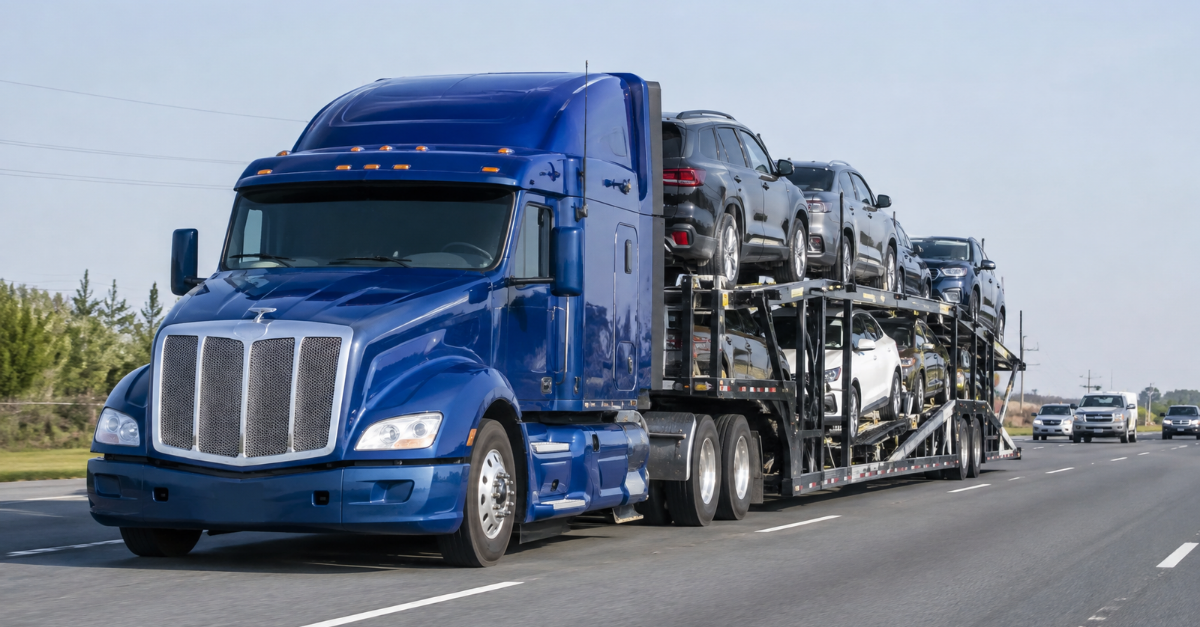
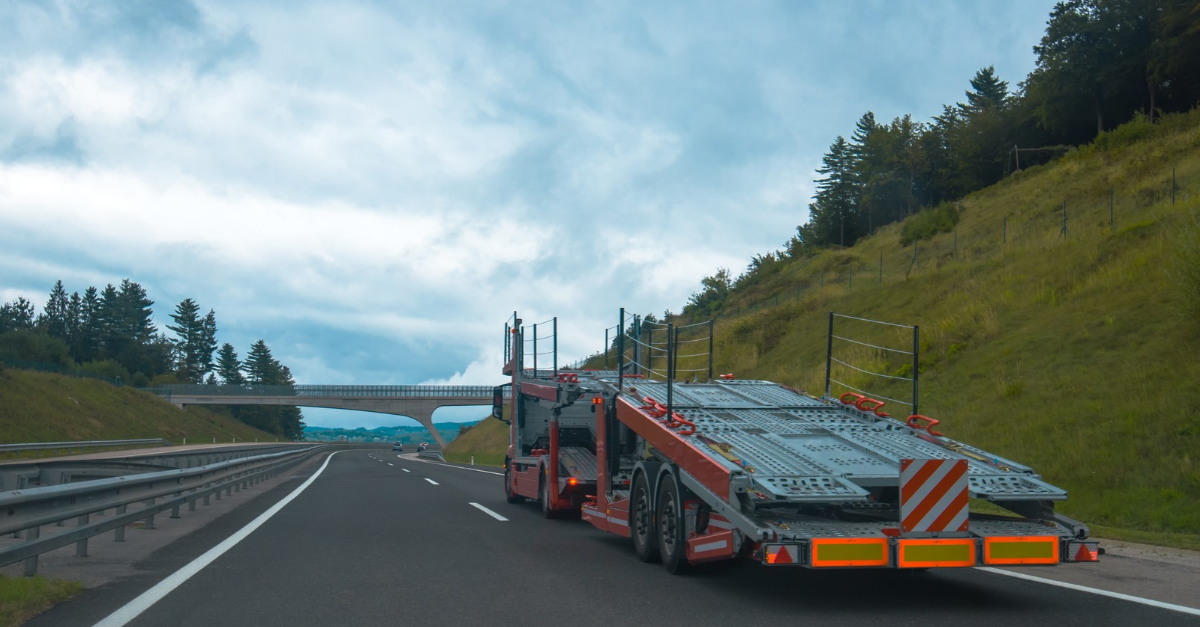
The pickup process follows Copart’s specific procedures, and your carrier needs to be familiar with them. Third-party transporters need a Gate PIN to get through, pickup appointments get booked through the Copart app, and most vehicles can’t be driven off the lot, so everything leaves on a trailer or a tow. Add gate hours, loader and forklift availability, and payment-before-release rules, and those details decide whether your carrier grabs the unit the next morning or loses days. For a non-runner, the carrier needs a winch or the right loader, so knowing the unit’s run-and-drive status before you bid tells you what kind of truck to book.
How to move a car from Copart
- Broker: A broker manages the job for you but keeps an undisclosed 20–30% of the quote, which is often hidden inside the total price rather than added on top.
- Load Board: You manage the dispatching process yourself, which avoids the broker's fee, but exposes you to risks like double brokering, 'ghost carriers,' and a higher likelihood of fraud.
- Direct (via AHX): You post the lane on the AHX marketplace, where vetted carriers can book it or send a counteroffer. This method uses a flat, transparent platform fee with no hidden markup and typically results in faster pickup and delivery times.
- Copart Delivered: You can select Copart’s own paid delivery service at checkout. This is a Copart-affiliated option and is worth comparing on price and speed.
Before you bid at Copart
Tips for moving Copart wins
- Beat the clock. Storage fees escalate daily once the removal window closes. Mapping the move ahead of time is what keeps a rebuildable unit’s margin intact.
- Give the carrier the keys to the yard. Appointment booked, Gate PIN shared, run-and-drive status confirmed. A prepared carrier loads on the first trip. An unprepared one burns a day at the gate.
- Know your all-in number. Run the lane through the Dealer Vehicle Transport Cost Calculator before you commit to a purchase, so the storage-fee math never surprises you.
FAQ
Can I transport a car from Copart without a broker? Yes. You don’t need a broker to move a vehicle from Copart. You can post the lane on a direct-to-carrier marketplace and have a vetted carrier handle the pickup, which removes the broker’s undisclosed cut and lets you see who’s actually hauling your unit. Just confirm the yard’s gate hours, share the Gate PIN and appointment, and verify the unit’s run-and-drive status so the carrier shows up with the right equipment.
Does Copart offer its own shipping option? Yes. At checkout you can select Copart Delivered, Copart’s own paid delivery service, or send the unit to a third-party transporter through the Copart app. These are Copart-affiliated options separate from AHX and are worth comparing on price and speed before you choose.
How long do I have to pick up a vehicle from Copart? Typically about three free storage days including the day of sale, and fees start around $50 a day once the window closes. Salvage yards run tighter timelines than wholesale dealer auctions, so check the current removal window in the Auto Auction Directory before you bid, and be ready to book your carrier the moment you win, since you'll need the full VIN and vehicle details to set up transport.
How do I move a non-running car from Copart? Book a carrier equipped for inoperable units, with a winch or the right loader. The lot listing shows run-and-drive status, so confirm it before you bid and tell the carrier when you post the lane. Vetted carriers on AHX note their equipment, so you can ensure the correct truck is on the load.
Move it before the meter runs
Storage stacks daily, and the broker’s hidden markup compounds the loss. Check Copart’s current removal window and yard rules in the Auto Auction Directory, then book direct through AHX and skip the cut that never reaches the truck. Want the all-in number first? Run the lane through the Dealer Vehicle Transport Cost Calculator. Buying salvage at the other major yard too? Here’s how IAA transport works.


.png)
