
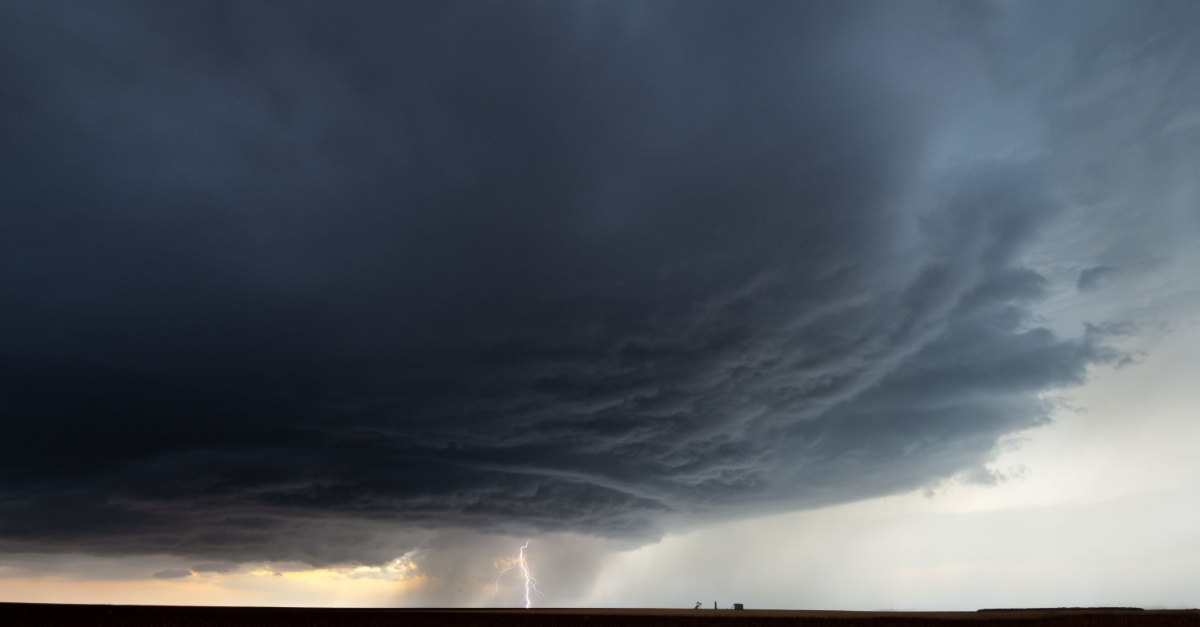
Two stories are colliding this week, and dealers need to know about both. First, the regional one: South Central — Texas, Oklahoma, Arkansas, and Louisiana — is dealing with the largest diesel increase of any region on the board and the highest severe weather alert count of any region on the board, at the same time. Fuel pressure and weather risk almost never spike together in one corridor. This week they did.
Second, the nationwide one: this is CVSA Operation Safe Driver Week (July 12-18), a multi-day enforcement blitz across the US, Canada, and Mexico targeting speeding, distracted driving, following too closely, and seatbelt violations for commercial and passenger vehicles alike. Last year's blitz pulled over 8,739 vehicles and issued 2,504 citations and 3,575 warnings in a single week — commercial motor vehicle drivers alone accounted for 1,839 of those citations and 3,230 of those warnings. This isn't a footnote. If you have vehicles moving anywhere in North America this week, not just through South Central, expect a visibly heavier law-enforcement presence and build in accordingly.
The Fuel Picture: A Bounce Inside a Bigger Cooling Trend
Every region we track posted a month-over-month diesel decline this week, ranging from -1.72% (Mid-Atlantic) to -8.62% (West Coast). That's the headline dealers should hold onto. But week-over-week, the picture flipped: six of ten regions posted increases large enough to clear our 5% fuel-spike threshold.
Diesel Prices by Region
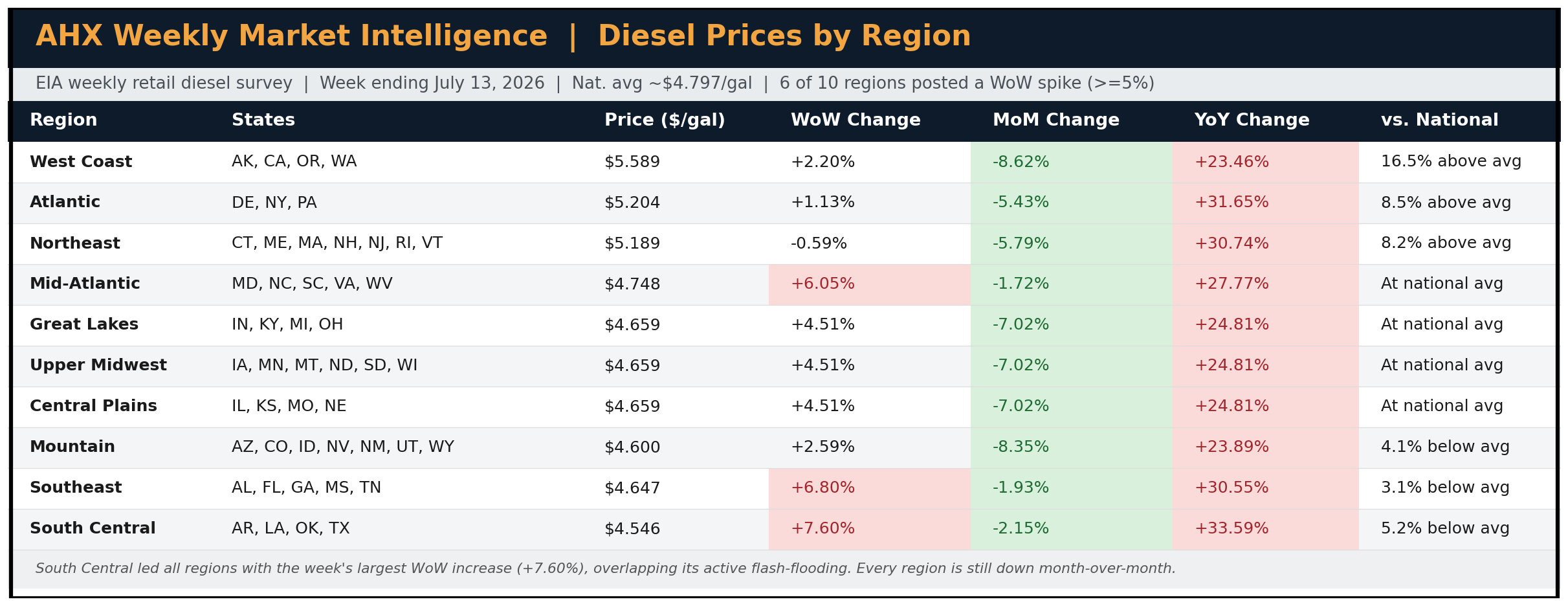
National average sits at roughly $4.797/gal this week. South Central posted the largest single-week move on the board, up 7.6%, tied directly to the same storm system driving this week's flooding. Southeast (+6.8%) and Mid-Atlantic (+6.05%) also cleared spike territory. No region posted a large enough decline to register as fuel relief this week — the smallest change was Northeast at -0.59%. West Coast remains the only region running meaningfully above the national average, at 16.5% higher.
Year-over-year, every region is running 23-34% above last year's prices — a reflection of a depressed prior-year base more than a new trend. Don't let that number alone drive your transport budgeting; the month-over-month trend is the more useful read on where things are actually headed.
The Weather Picture: Flooding in Texas, Heat Everywhere Else
Weather Alert Summary by Region
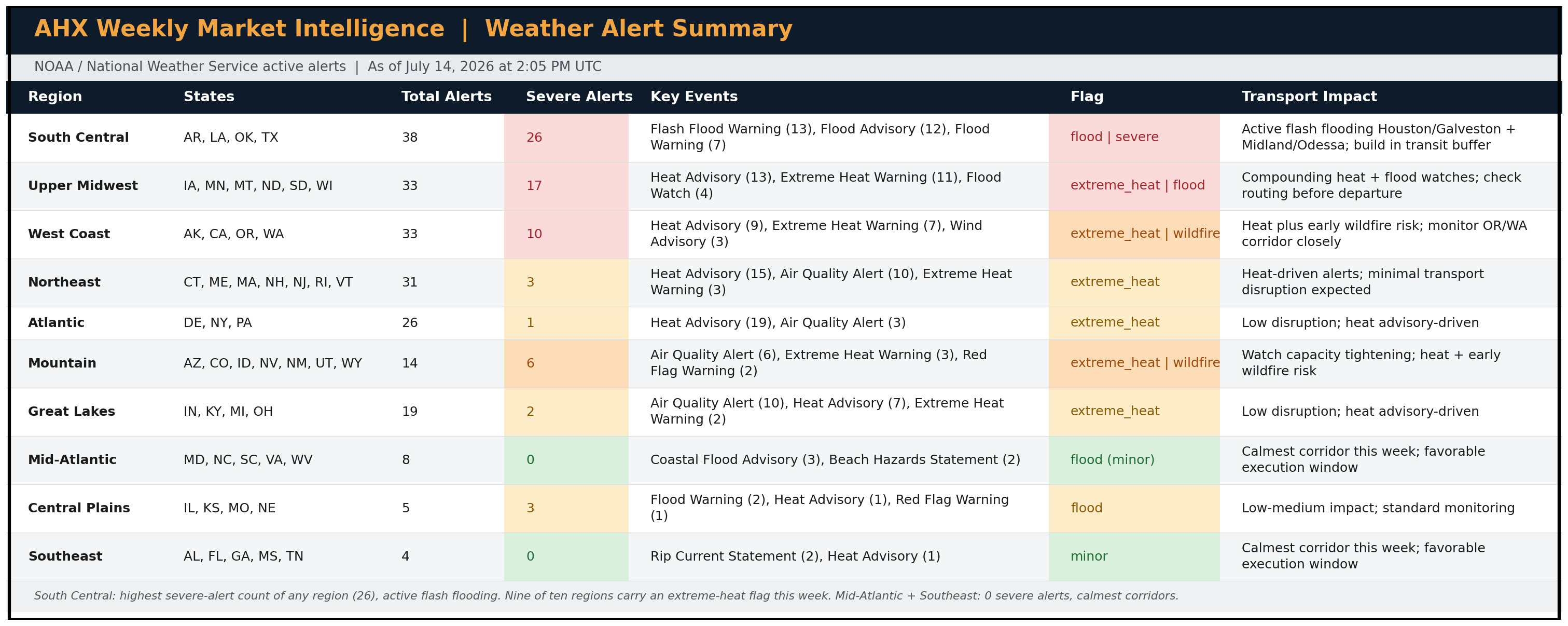
South Central's 26 severe alerts are almost entirely Flash Flood Warnings and Flood Warnings issued by NWS offices covering Midland/Odessa and Houston/Galveston — active flash flooding, not just advisory-level watches. That's the corridor to build extra transit time into this week.
Outside of South Central, this is shaping up as a heat-wave week. Nine of the ten regions we track are carrying an active extreme-heat flag, and several — Upper Midwest, West Coast, Mountain, Northeast, Great Lakes — have moved past Heat Advisory into full Extreme Heat Warning territory. Upper Midwest is dealing with the added complication of flood watches layered on top of its heat alerts. Mid-Atlantic and Southeast are the calmest corridors this week, with zero severe alerts each.
Operation Safe Driver Week: A Nationwide Enforcement Blitz Through July 18
While South Central deals with its regional double-hit, every dealer with vehicles on the road anywhere this week should know about CVSA's Operation Safe Driver Week, running July 12-18. It's an annual, CVSA-led enforcement campaign carried out by law enforcement agencies across the US, Canada, and Mexico, aimed at reducing dangerous driving behaviors for both commercial motor vehicle (CMV) drivers and passenger vehicle drivers.
Last year's blitz gives a sense of scale: officers pulled over 8,739 vehicles in one week and issued 2,504 citations and 3,575 warnings. CMV drivers took the larger share — 1,839 citations and 3,230 warnings, versus 665 citations and 345 warnings for passenger vehicle drivers. The top violation categories were speeding, failure to wear a seatbelt, texting or using a handheld device, reckless/careless/inattentive driving, and impaired driving. Speeding alone accounted for 491 CMV citations and 1,073 CMV warnings in that one week.
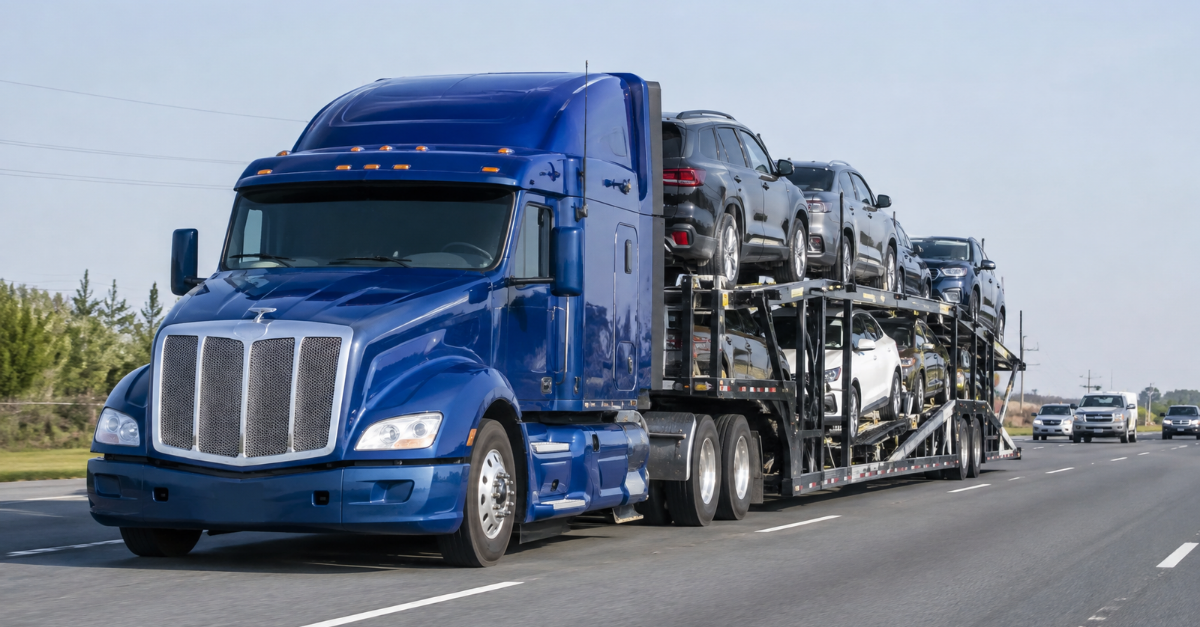
This year's enforcement focus (2026) covers the same core behaviors: speeding, distracted driving, following too closely, improper lane changes, and seatbelt use. For dealers, the practical takeaway is simple: expect a heavier, more visible law-enforcement presence on highways nationwide this week, more roadside stops for CMV drivers (car haulers included), and — if you've got a time-sensitive move anywhere in the country, not just through South Central — a reason to build in a little extra buffer. Citations from a single blitz week can also follow a carrier's safety record over time, which is one more reason AHX vets carriers on an ongoing basis rather than a one-time check.
Corridor Outlook
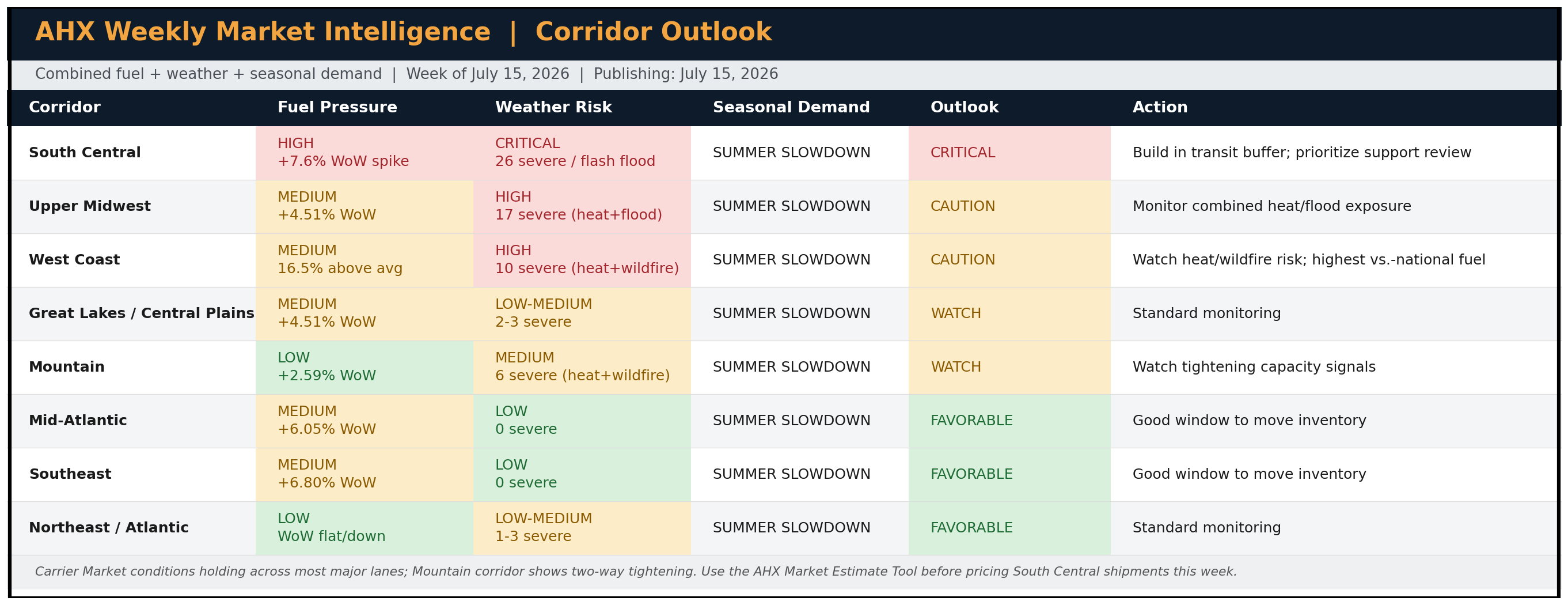
We're squarely in the July-August summer slowdown, with tax season, snowbird migration, and spring auction volume all behind us for the year. That means overall retail demand is softer across the board, which is generally good news for carrier availability — with the exception of the corridors above dealing with active weather disruption. On the platform side, carriers continue to select the best-priced shipments first, and coverage remains healthy across most major lanes. The one corridor worth watching over the next couple of weeks is the Mountain region, where both pickup and delivery conditions have been tightening — likely tied to the active heat and early wildfire risk alerts there.
What Dealers Should Do This Week
- Build in extra transit-time buffer for any South Central pickups or deliveries. Flash flooding around Houston/Galveston and Midland/Odessa is an active road-network risk, not a forecast — communicate delays to buyers proactively.
- Don't overreact to this week's fuel bounce. Every region is still down month-over-month. Price transport decisions off the trend, not the single-week snapshot, and use the AHX Market Estimate Tool to get a real-time read before you post.
- Watch the Mountain region over the next couple of weeks. Tightening capacity signals there, paired with active heat and wildfire alerts, could mean less carrier selectivity flexibility on those lanes soon.
- Lean into the calm corridors. Mid-Atlantic, Southeast, Northeast, and Atlantic are all showing low weather risk this week — good windows to move inventory through those lanes if you have flexibility.
- Keep transport pricing current, not seasonal. With snowbird and tax-season demand both behind us, don't carry forward pricing assumptions from earlier this year — repost or reprice anything that's been sitting.
- Build in extra time nationwide this week, not just in South Central. CVSA's Operation Safe Driver Week (July 12-18) means a heavier law-enforcement presence and more roadside stops for CMV drivers everywhere — last year's blitz produced nearly 1,839 CMV citations and 3,230 CMV warnings in a single week. Pad transit-time expectations across the board, not just in flood-affected corridors.
- Ask about a carrier's safety record, not just their price. Citations picked up during high-enforcement weeks like this one can follow a carrier's record over time. AHX's ongoing carrier vetting is one way to keep that risk off your plate.
FAQ
Why did diesel prices go up this week if they're supposedly cooling off? Both are true. Every region is down month-over-month, but this week specifically saw a WoW bounce in six of ten regions, led by South Central's 7.6% increase tied to this week's flooding-related disruption.
Which region has the most expensive diesel right now? West Coast, at $5.589/gal, running about 16.5% above the national average — the only region above our 1.10 high-vs-national threshold this week.
Is the South Central flooding actually disrupting shipments, or is this just a weather advisory? These are active Flash Flood Warnings and Flood Warnings, not just watches — the highest severe-alert count of any region this cycle, concentrated in the Houston/Galveston and Midland/Odessa areas.
Is snowbird or tax-season demand still affecting transport pricing? No. Both concluded earlier this year, along with spring auction season. We're now in the July-August summer slowdown, which typically means softer retail demand and generally looser capacity outside weather-impacted corridors.
Are carriers hard to find right now? Coverage remains healthy across most major lanes. The one corridor showing real tightening is Mountain (AZ, CO, ID, NV, NM, UT, WY), where both pickup and delivery conditions have been trending tighter — worth watching if you have inventory moving through there.
What is Operation Safe Driver Week and why does it matter for vehicle transport? It's CVSA's annual nationwide enforcement blitz (July 12-18 this year) targeting speeding, distracted driving, following too closely, and seatbelt violations for commercial and passenger vehicles alike. Last year's blitz resulted in 8,739 vehicles pulled over and 2,504 citations issued across the US, Canada, and Mexico in one week — CMV drivers, including car haulers, took the majority of those stops. Expect a heavier law-enforcement presence and more roadside stops nationwide this week, on top of the South Central flooding delays.
How is AHX different from calling a broker for pricing like this? AHX pairs that market intelligence with 5,500+ vetted carriers, real-time ELD tracking, and an AI Pricing Engine that adjusts automatically to conditions like this week's.
Sign up free at autohaulerexchange.com.
Data sources: EIA retail diesel survey, week ending July 13, 2026. NWS/NOAA weather alerts as of July 14, 2026, 2:05 PM UTC. AHX platform data as of July 14, 2026, 9:00 AM UTC. Operation Safe Driver Week figures: CVSA 2025 Operation Safe Driver Week results (cvsa.org), 2026 campaign dates and focus areas per CVSA.


.png)
